
Dr. Arnold Caplan
In Memoriam
1942–2024
In the late 1980s, while at Case Western Reserve University, Dr. Caplan isolated a class of stem-like cells from adult bone marrow—cells that would become the foundation for decades of scientific innovation. But his most lasting contribution wasn’t just the discovery. It was his relentless pursuit of truth, clarity, and better ways to help the human body heal.

In the late 1980s, while at Case Western Reserve University, Dr. Caplan isolated a class of stem-like cells from adult bone marrow—cells that would become the foundation for decades of scientific innovation. But his most lasting contribution wasn’t just the discovery. It was his relentless pursuit of truth, clarity, and better ways to help the human body heal.
Father of the Mesenchymal Stem Cell
A Pioneer in Regenerative Medicine
In the late 1980s, while at Case Western Reserve University, Dr. Caplan isolated a class of stem-like cells from adult bone marrow—cells that would become the foundation for decades of scientific innovation. But his most lasting contribution wasn’t just the discovery. It was his relentless pursuit of truth, clarity, and better ways to help the human body heal.
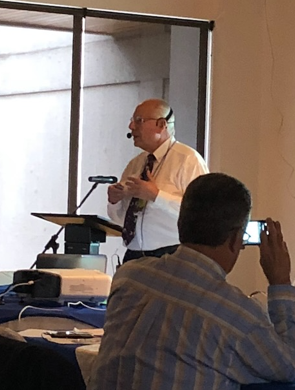
From “Stem” Cells to “Signaling” Cells
While others focused on the cells' ability to turn into bone or cartilage, Dr. Caplan uncovered something more profound: MSCs heal not by becoming new tissue, but by sending healing signals to the body. In his words, they were “medicinal signaling cells”—living pharmacies that reduce inflammation, prevent scarring, and stimulate the body’s own repair mechanisms. Personalized Stem Cells, Inc. (PSC) is a privately held biotechnology firm specializing in innovative solutions within the field of Regenerative Medicine. Our company is founded on a robust portfolio of intellectual property, which is continually expanding as we explore and develop new applications for stem cell therapies.
This shift in understanding changed the course of research and treatment. Caplan helped move the field from hype to hope—from unrealistic expectations to scientifically grounded therapies. His message was clear: the power of MSCs lies in what they do, not what they become.
A Mentor, A Collaborator, A Friend
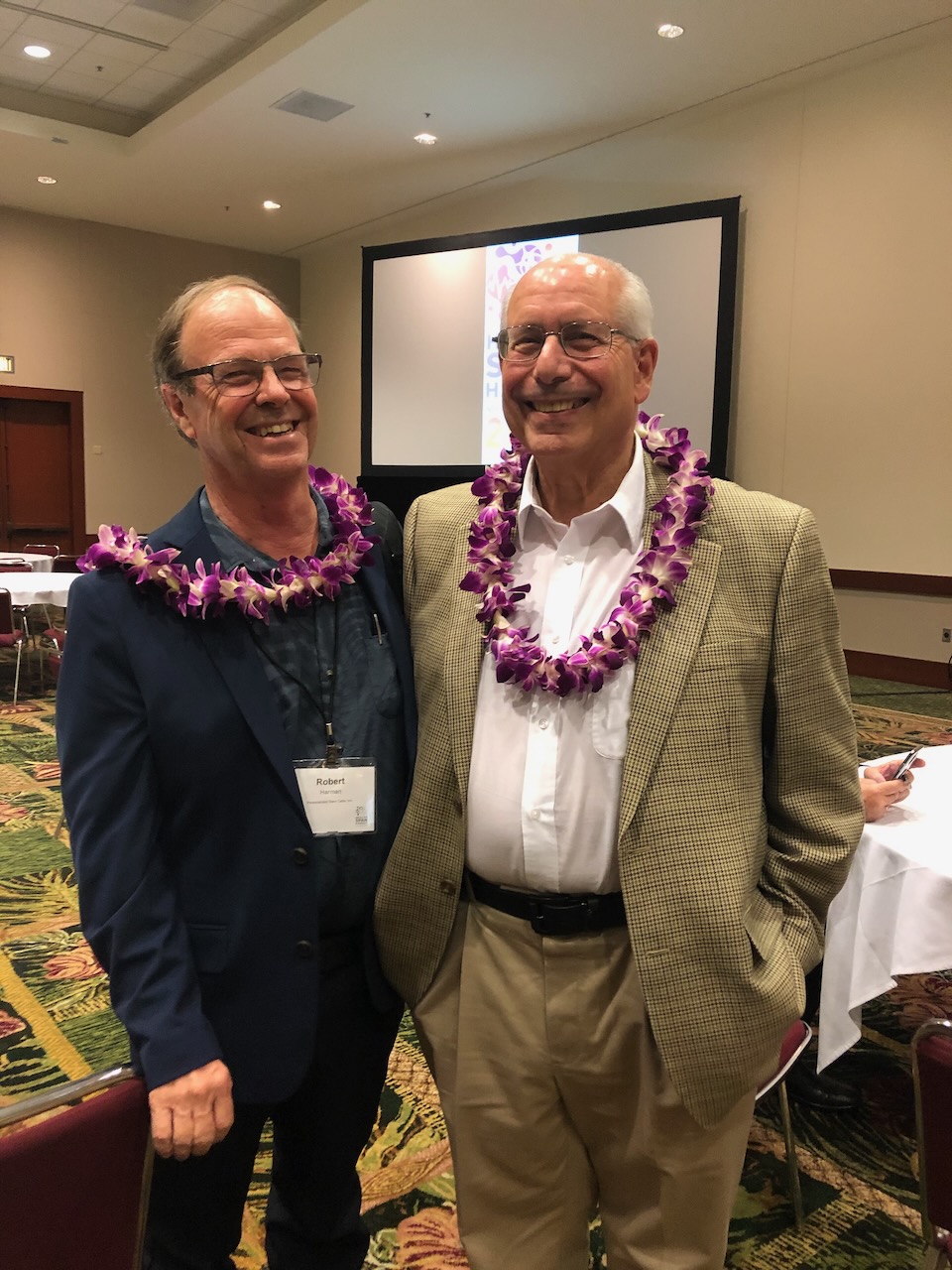
For our founder and CEO, Dr. Bob Harman, Dr. Caplan was not just a hero—he was a mentor and collaborator. Their friendship spanned decades, crossing the bridge between veterinary and human medicine. Caplan believed in the concept of “One Medicine”—that breakthroughs in animal health could inform human treatments and vice versa.
With Caplan’s encouragement, VetStem pioneered stem cell therapies in dogs and horses. That clinical data helped inspire Personalized Stem Cells and our mission to bring regulated cell therapies to human patients. Caplan’s influence is woven into the DNA of our company.
Carrying the Torch
Today, we continue his work. At Personalized Stem Cells, we strive to honor Dr. Caplan’s legacy by upholding his commitment to scientific rigor, honest communication, and patient-centered innovation. Every time we educate a patient, support a physician, or conduct a clinical trial, we remember what Dr. Caplan taught us: healing isn’t magic—it’s messaging. And the message must be true.
Thank You, Arnie
Dr. Caplan taught a generation of scientists how to think differently. He gave the field of regenerative medicine a credible foundation—and gave the world a deeper understanding of what it means to heal. His impact lives on in every paper published, every patient helped, and every stem cell used with care and clarity.
We are proud to have known him, grateful for what he gave, and committed to carrying his vision forward.
— The Personalized Stem Cells Team
